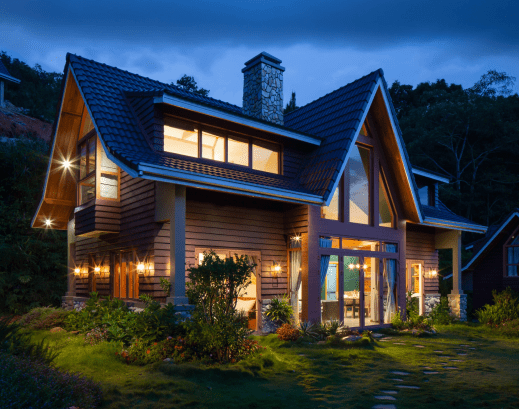
Imagine a weekend where the city’s concrete gives way to rolling hills, and the only traffic you see is a herd of sheep crossing a lane. That’s the kind of escape you’ll get when you follow this guide. By the end of the article you’ll know which villages to visit, what to pack, and how to avoid the most common pitfall: arriving too late.
Step 1 – Pick a Destination Within Two Hours
Start by measuring the distance from your home to a rural spot that can be reached in under two hours by car or train. A 90‑minute drive to the Cotswolds, a 1.5‑hour journey to the Lake District, or a 2‑hour ride to the Peak District all qualify. Use a mapping app to check traffic patterns on Saturday mornings; the quickest route on a weekday may be blocked by roadworks on the weekend.
Step 2 – Book Accommodation in Advance
Once you’ve chosen a village, book a bed in a bed‑and‑breakfast or a cosy B&B. Aim for a place that offers a garden or a view of the hills. Many rural inns open at 10 am, so if you arrive before that, you’ll be left with a cold coffee and a long walk back to your car. Reserve at least 24 hours ahead, especially if you’re planning to stay during a local festival.
Step 3 – Pack the Essentials, Not the Excess
- Comfortable walking shoes – you’ll be doing more walking than you think.
- Layered clothing – mornings can be chilly, afternoons warm.
- Reusable water bottle – refill at the village café, not the roadside shop.
- Map or offline navigation app – the rural internet can be spotty.
- Camera or phone with a good lens – the scenery is worth a thousand words.
Leave the gadgets that drain your battery: no smartwatch, no phone charger that’s heavier than a loaf of bread.
Step 4 – Plan a Mix of Guided and Free Activities
Research one guided walk or tour that takes you through the heart of the area. For example, a 3‑hour walk with a local guide in the Lake District offers historical anecdotes and hidden viewpoints. Pair this with a free activity such as a village market, a local pub’s live music night, or a simple picnic on a hilltop. This balance keeps the budget tight and the experience varied.
Step 5 – Leave the City Behind – The Common Mistake to Avoid
Many people think a weekend escape is a “get‑away” where you can ignore the city entirely. In reality, you’ll still need to manage your work emails, bank notifications, and the occasional call from a colleague. Set your phone to “Do Not Disturb” and inform your manager that you’re on leave from Friday 5 pm to Monday 9 am. Failing to do this often results in a frantic scramble to catch up on the first morning back.
Mid‑Article Aside – A Quick Detour to Entertainment
While you’re planning your countryside retreat, you might also want to explore a bit of online entertainment. For instance, you can check out the latest releases on slimming-4-you.co.uk and see if any of the new titles fit your mood for a relaxed evening after a day of hiking.
Conclusion
By selecting a reachable rural destination, securing accommodation early, packing wisely, balancing guided and free activities, and managing your work commitments, you’ll have a weekend that feels like a breath of fresh air. The city’s noise fades into the background, replaced by the gentle hum of nature and the occasional distant church bell. Return home refreshed, with new stories and perhaps a few extra miles under your belt.
Frequently Asked Questions
How do I choose a destination within two hours of the city?
Measure the drive from your home and pick a village or nature spot that’s reachable in less than two hours, ensuring you have ample time for activities.
What essentials should I pack for a short rural trip?
Bring comfortable clothing, a reusable water bottle, snacks, a map or GPS, a small first‑aid kit, and a camera for memories.
When is the best time to leave to avoid traffic?
Leave early in the morning, preferably before 8 am, to bypass peak traffic and arrive fresh at your destination.